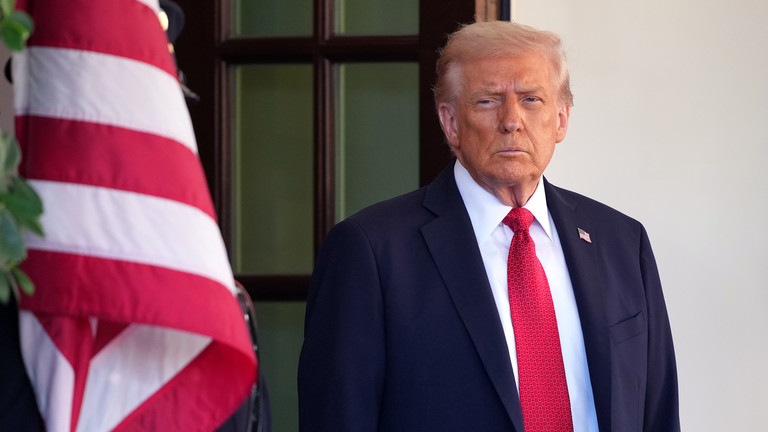
By the end of 2026, we will have a clearer sense of whether Donald Trump’s claims to a new model of American dominance are real, or whether this project turns out to be largely rhetorical. Several geopolitical fronts will act as indicators of how far Washington can actually reshape the international order.
The first of these is Gaza. The opening stage of Trump’s plan has already been carried out. The next test will be whether the United States is able to create a functioning administration there, backed by security forces capable of protecting it. This task is complicated by the fact that Hamas has been weakened, but not eliminated. Its influence within Gaza will have to be taken into account, while for Israel such a presence remains categorically unacceptable. In 2026 we will see whether Washington is capable of managing such an inherently contradictory reality, or whether the project collapses under internal tensions.
The second key arena is Venezuela. Trump has clearly invested political capital in removing Nicolas Maduro. By forcing change in Caracas at what appears to be minimal cost, it will strengthen America’s position not only in Latin America, but globally.
Ukraine represents a third, though more cautious, test of Trump’s foreign-policy approach. Here the stakes are lower for Washington, and the style of involvement more restrained. The United States is relying largely on informal contacts and the belief that favorable economic arrangements can gradually neutralize even deep-rooted geopolitical conflicts. Whether this assumption proves correct will also become clearer in 2026.
All of this will unfold against a tight political timetable. The US midterm elections in November 2026 may sharply restrict Trump’s room for maneuver. After that point, he risks becoming a lame duck, which explains why the administration is eager to resolve its major foreign-policy dilemmas before then.
For Western Europe, 2026 is also shaping up to be a decisive year. It will test whether the rearmament drive begun in recent years can be sustained, and it will serve as a prelude to the 2027 French presidential election. Either the French establishment will manage to produce a new centrist figure in the mould of Emmanuel Macron, or Marine Le Pen’s protégé, Jordan Bardella, may come to power. He will likely promise to preserve the military alliance with the US while fundamentally reshaping the EU’s internal architecture. Germany, meanwhile, faces its own trial: if Friedrich Merz’s government fails to revive economic growth, the stability of the ‘grand coalition’ will be called into question.
The BRICS world will also face serious challenges. In China, 2026 will be a year of preparation for the 2027 Party Congress, which will determine whether Beijing continues along the path of highly centralized personal rule or returns to the more collective, oligarchic governance model associated with Deng Xiaoping. At the same time, China’s relationship with the US will be further strained by Trump’s decision to supply Taiwan with major arms packages, raising the question of whether Beijing is ready for prolonged confrontation.
India and China may also see tensions shaped by developments in Bangladesh, where the pro-Indian government fell in 2024 and a new leadership with closer ties to Pakistan, and by extension to China, has emerged.
Finally, Brazil’s presidential election may become the most serious test for BRICS as an institution. Lula currently leads the polls, but if Bolsonaro’s camp returns to power, Brazil’s commitment to the grouping may weaken sharply, especially given Trump’s skeptical attitude toward BRICS in his current term.
As a result, 2026 will be a difficult year for an already fragmented world. Trump’s ambitions will accelerate many of the contradictions that have been accumulating in global politics. Some leaders still dream of a return to the predictable international order of the past, but such ‘normality’ is unlikely to return in the year ahead.
The US president has claimed that Venezuelan leader Nicolas Maduro has been captured and flown out of the country
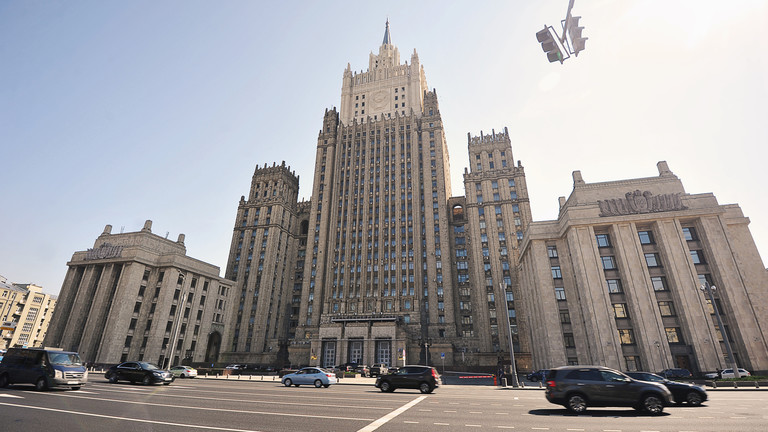
Russia condemns US ‘aggression’ against Venezuela.
Russia’s Foreign Ministry has condemned what it called a US act of “armed aggression” against Venezuela on Saturday, calling for restraint and warning against further escalation. US President Donald Trump has confirmed strikes took place, claiming that Venezuelan President Nicolas Maduro has been captured and flown out of the country.
Venezuelan officials earlier said the country had been directly attacked by the US after explosions were heard in the capital, Caracas, on Saturday. Foreign Minister Yvan Gil accused Washington of trying to gain control of the Latin American nation’s natural resources.
Moscow reaffirmed its solidarity with the Venezuelan people and supported calls for an urgent UN Security Council meeting. The foreign ministry stressed that Latin America should remain a zone of peace and that Venezuela must be free to determine its own future without external interference.
Leonid Slutsky, chairman of the State Duma’s Foreign Affairs Committee, described the latest strikes on Venezuela as a US military operation aimed at changing an “undesirable” regime, accusing Washington of seeking to impose its will on the country.
Venezuela declared a state of emergency shortly after explosions. The government has said the attacks also took place in the states of Miranda, Aragua, and La Guaira.
The strikes come amid heightened tensions between Washington and Caracas. Trump has repeatedly accused Venezuela’s government of facilitating large-scale drug trafficking and has authorized expanded US military operations targeting suspected smuggling routes in the Caribbean and eastern Pacific.
Maduro has rejected the allegations, accusing the US of aggression and of using anti-drug operations as a pretext to topple his government. He has warned that any direct military action on his country would be met with resistance.
Strikes on Venezuela were cover for Maduro’s capture – US senator
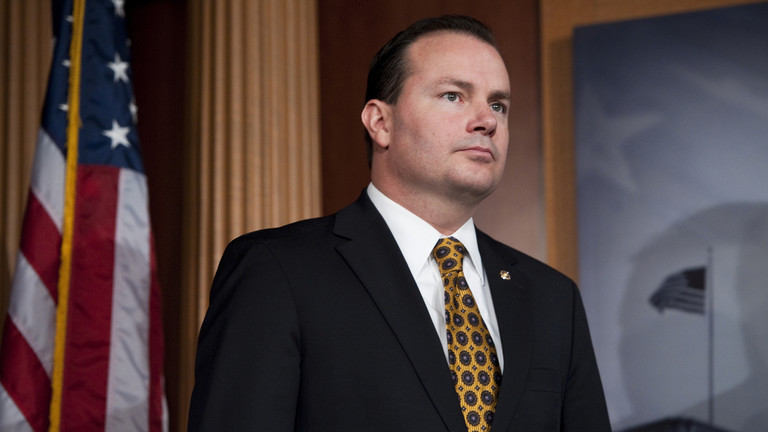
US military strikes on Venezuela were meant to provide cover for the capture of President Nicolas Maduro, who is expected to face trial on criminal charges on American soil, US Senator Mike Lee has said, citing US Secretary of State Marco Rubio.
The comments followed overnight explosions and reports of warplanes buzzing the capital city of Caracas. Later in the day, US President Donald Trump announced that American special forces had carried out a military operation and that Maduro, along with his wife, had been taken into custody and flown out of the country. Venezuelan authorities condemned the strikes as “grave military aggression.”
In a post on Saturday, Lee said that he had talked with Rubio on the phone, stating that “he informed me that Nicolas Maduro has been arrested by US personnel to stand trial on criminal charges in the United States.”
“The kinetic action we saw tonight was deployed to protect and defend those executing the arrest warrant,” the Republican senator added, noting that Rubio “anticipates no further action in Venezuela now that Maduro is in US custody.”
Meanwhile, Rubio himself republished his July 27 post in which he said that Maduro “is not the president of Venezuela” and that his government is not legitimate, while claiming that the Venezuelan leader is in charge of a major drug cartel.
Maduro has long denied such allegations, claiming the US was using them as a pretext for military aggression and in order to topple his government.
US Attorney General Pamela Bondi announced that Maduro and his wife had been indicted in New York and charged with “narco-terrorism conspiracy, cocaine importation conspiracy, possession of machineguns and destructive devices, and conspiracy to possess machineguns and destructive devices against the United States.”
The strikes and capture represent the first US intervention in South America of its kind since the 1989 invasion of Panama. The US has long accused Maduro’s government of involvement in international drug trafficking, which the country’s leadership vehemently denies.
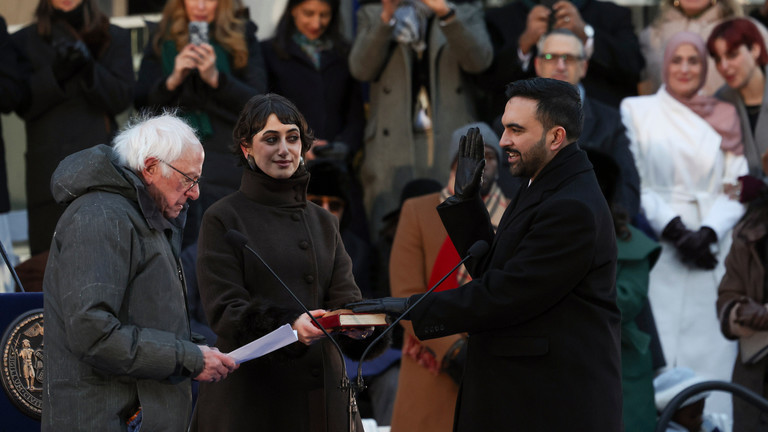
Zohran Mamdani, seorang sosialis demokrat dan anggota legislatif negara bagian yang sebelumnya kurang dikenal, telah dilantik sebagai walikota New York City ke-110, orang Muslim pertama kelahiran Afrika keturunan India yang memegang jabatan tersebut.
Politisi berusia 34 tahun itu mengucapkan sumpah tengah malamnya di atas Al-Quran berusia berabad-abad di stasiun kereta bawah tanah yang telah lama ditutup di bawah Balai Kota pada hari Kamis. Dalam pidato pelantikan publik di luar Balai Kota pada hari itu, Mamdani sangat menekankan ideologi sosialis demokratnya, berjanji untuk "memerintah secara luas dan berani."
"Saudara-saudara sebangsa New York – hari ini dimulailah era baru!" serunya dalam pidato hampir 25 menit di hadapan sekitar 4.000 orang.
“Saya terpilih sebagai seorang sosialis demokrat dan saya akan memerintah sebagai seorang sosialis demokrat,” katanya. “Saya tidak akan meninggalkan prinsip-prinsip saya karena takut dianggap radikal.”
Zahroni berjanji untuk mewujudkan layanan penitipan anak universal, pembekuan sewa, bus gratis, dan pajak bagi warga terkaya untuk mendanai agendanya. Ia secara eksplisit menolak pengaruh kekayaan dan kekuasaan dalam pemerintahan kota, bersumpah untuk bertanggung jawab kepada rakyat, bukan kepada “miliarder atau oligarki mana pun yang mengira mereka dapat membeli demokrasi kita.”
Upacara tersebut dihadiri oleh sekutu progresif termasuk Senator Bernie Sanders, yang membacakan sumpah publik, dan Perwakilan Alexandria Ocasio-Cortez, yang memuji pemilihan tersebut sebagai respons terhadap “masa-masa yang tidak dapat diterima dan belum pernah terjadi sebelumnya.”
Sikap politik radikal Mamdani telah menjadi titik fokus kontroversi dan kritik baik dari kalangan konservatif maupun sesama Demokrat. Mamdani telah menjadi kritikus vokal terhadap kampanye militer Israel di Gaza, yang ia sebut sebagai "genosida," dan telah berjanji untuk menangkap Perdana Menteri Israel Benjamin Netanyahu berdasarkan surat perintah Pengadilan Kriminal Internasional jika ia mengunjungi New York. Sebagai tanggapan, Walikota yang akan segera mengakhiri masa jabatannya, Eric Adams, mengeluarkan perintah eksekutif yang menentang divestasi dari Israel dan melarang protes di dekat tempat ibadah.
Presiden Donald Trump, yang selama kampanye mencap Mamdani sebagai "orang gila komunis" dan mengancam akan mencabut pendanaan federal dari kota tersebut, menunjukkan sikap yang sangat berbeda setelah pertemuan di Gedung Putih pada bulan November.
“Saya dapat memberi tahu Anda, beberapa pandangan saya telah berubah… Saya merasa sangat yakin bahwa dia dapat melakukan pekerjaan yang sangat baik,” kata Trump. Mamdani, di sisi lain, mengatakan pertemuan itu "produktif" tetapi kemudian menegaskan kembali bahwa ia masih menganggap Trump sebagai "fasis."
Mamdani menyampaikan pesan persatuan dalam pidato pelantikannya, berjanji untuk mewakili semua warga New York. “Terlepas dari perbedaan kita, saya akan melindungi Anda, merayakan bersama Anda, berduka bersama Anda, dan tidak akan pernah bersembunyi dari Anda,” katanya.
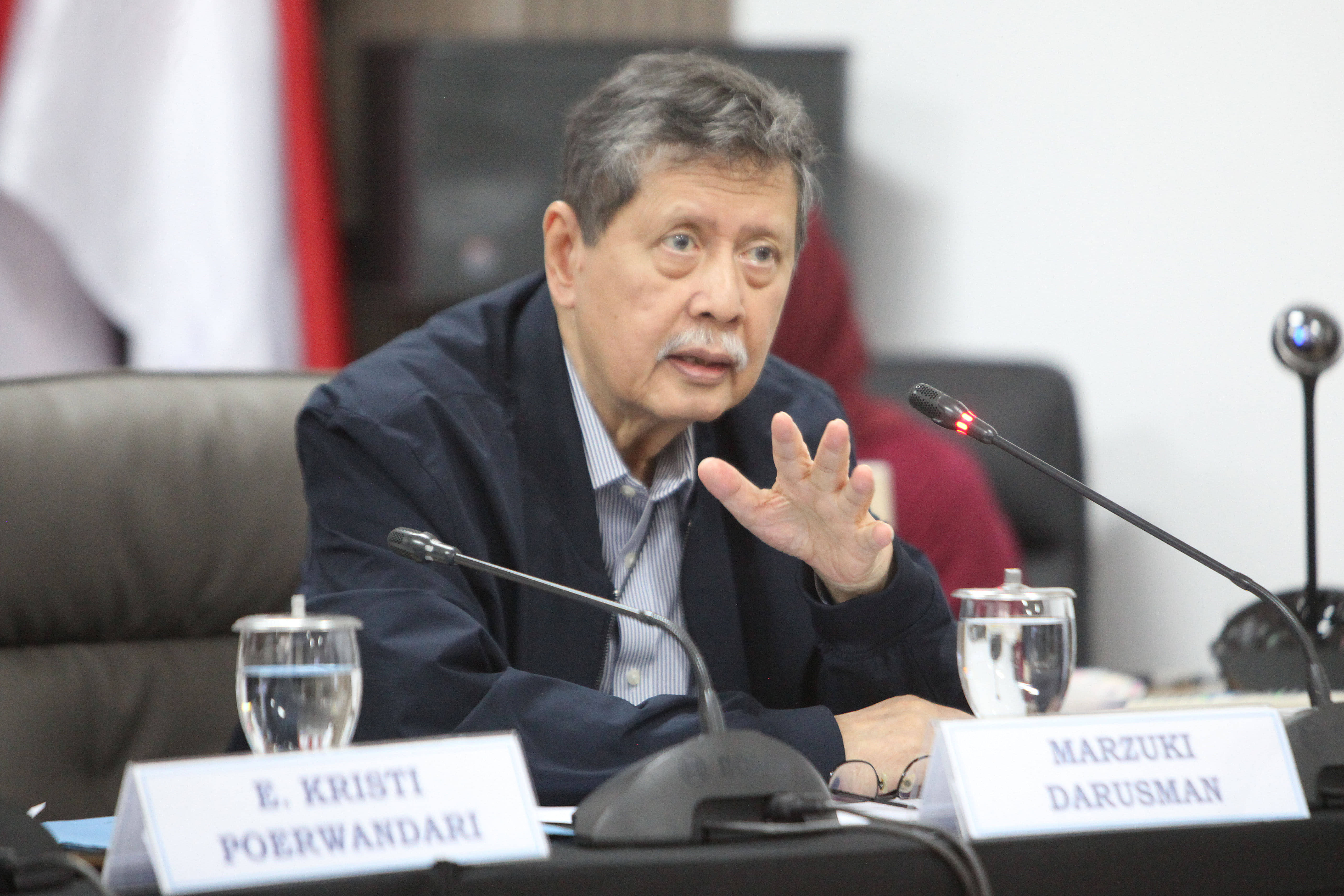
Mantan Jaksa Agung Republik Indonesia, Marzuki Darusman, menilai pemberlakuan Kitab Undang-Undang Hukum Acara Pidana (KUHAP) baru yang akan berlaku menandai runtuhnya perlindungan hukum bagi warga negara dan mencerminkan wajah otoritarianisme kekuasaan yang semakin menguat.
“Kita sekarang sudah berada dalam lingkup suatu sistem politik yang secara deskriptif bisa disebut otoritarian. Ini sumber utama persoalan kita, yaitu kekuasaan politik yang sangat sentralistik,” ujar Marzuki dalam konferensi pers “Deklarasi Indonesia Darurat Hukum” pada hari Kamis, 01/01/2026.
Ia menolak anggapan bahwa KUHAP baru lahir semata-mata karena inkompetensi pemerintah. Menurutnya, anggapan tersebut justru menutupi karakter otoriter yang melekat pada produk hukum tersebut.
“Kalau dikatakan KUHAP ini hasil dari inkompetensi pemerintah, itu justru menyelubungi fitrah otoriter kekuasaan sekarang. KUHAP ini adalah pameran kesewenang-wenangan pemerintah yang berbaju hukum,” tegasnya.
Marzuki memperingatkan bahwa mulai berlakunya KUHAP baru akan membawa Indonesia ke dalam kondisi darurat hukum, bahkan berpotensi menjadi malapetaka konstitusional.
“Mulai besok kita menghadapi kondisi darurat, bahkan mungkin memasuki fase malapetaka, karena benteng terakhir yang melindungi warga negara dari kesewenang-wenangan runtuh dengan disahkannya KUHAP ini,” katanya.
Menurut Marzuki, persoalan utama terletak pada keleluasaan besar yang diberikan KUHAP baru kepada aparat penegak hukum untuk melakukan kriminalisasi. Hal ini menurutnya, membuat Indonesia bergerak menuju sistem politik yang tidak hanya otoriter, tetapi semakin represif.
“Undang-undang ini memberi keleluasaan yang sangat signifikan kepada kepolisian dan penyidik untuk mengkriminalisasi. Kemerosotan ini sudah tidak bisa ditahan lagi,” tegasnya.
Sebagai orang yang terlibat langsung dalam sejarah pembentukan KUHAP 1981 dan pernah menjabat Jaksa Agung pada masa transisi reformasi, Marzuki mengaku mengenali dengan jelas perbedaan antara hukum dalam sistem demokratis dan hukum dalam sistem otoriter.
“KUHAP ini tidak dibangun atas prinsip keadilan, tetapi prinsip ketertiban dan penegakan polisionil. Dari segi semangat hukum, ia tidak mungkin diperbaiki,” ujarnya.
Ia juga menepis klaim pemerintah bahwa persoalan KUHAP dan KUHP dapat diatasi melalui peraturan pelaksana.
“Itu hampir tidak mungkin, karena asasnya berbeda. Ini bukan hukum untuk keadilan, tetapi untuk ketertiban. Kondisi aparat penegak hukum juga tidak memungkinkan menjalankan prinsip keadilan,” katanya.
Marzuki menilai pembentukan KUHAP dan KUHP baru merupakan operasi politik untuk mempersenjatai hukum demi memperluas kewenangan aparat.
“Ini bukan lagi soal inkompetensi, tapi wajah menakutkan dari otoritarianisme, yaitu mempersenjatai hukum dengan memberi kelonggaran luas kepada polisi,” tegasnya.
Ia juga mendorong agar masyarakat sipil segera membangun gerakan kolektif untuk merespons situasi tersebut, termasuk melalui langkah politik dan hukum.
“Kalau perlu, undang-undang ini harus ditantang melalui Perppu atau diajukan ke Mahkamah Konstitusi, karena bertentangan dengan UUD 1945 dan prinsip negara hukum,” ujarnya.
Mantan Jaksa Agung Marzuki Darusman mengungkapkan Kitab Undang-Undang Hukum Pidana (KUHP) yang akan berlaku hari ini, hari Jumat, 02/01/2026, sebagai malapetaka. Ia pun mendorong pemerintah untuk menunda berlakunya KUHP baru tersebut.
KUHAP dan KUHP Versi Terbaru Berlaku Perdana Hari Ini!
Hari ini, Jumat, 02/01/2026, menjadi momen perdana berlakunya Kitab Undang-Undang Hukum Pidana (KUHP) dan Kitab Undang-Undang Hukum Acara Pidana (KUHAP) versi terbaru. KUHP terbaru lebih dulu disahkan menjadi undang-undang oleh DPR pada 6 Desember 2022 silam.
Pengetok palu di rapat paripurna kala itu adalah Wakil Ketua DPR Sufmi Dasco Ahmad.
UU itu kemudian disahkan oleh Presiden ke-7 RI Joko Widodo (Jokowi) pada 2 Januari 2023, dan menjadi UU Nomor 1 Tahun 2023.
“Undang-Undang ini mulai berlaku setelah 3 (tiga) tahun terhitung sejak tanggal diundangkan,” demikian bunyi Pasal 624 yang diundangkan tiga tahun lalu tersebut.
Setelah KUHP selesai digarap, KUHAP dirampungkan legislator pada waktu berikutnya.
DPR telah mengesahkan RUU KUHAP menjadi UU KUHAP pada rapat paripurna, Selasa, 18 November 2025 lalu.
Keputusan tersebut diambil dalam rapat paripurna yang dipimpin oleh Ketua DPR Puan Maharani setelah mendengar laporan Ketua Komisi III DPR RI Habiburokhman.
Presiden Prabowo Subianto meneken UU KUHAP pada 17 Desember 2025 lalu. UU KUHAP ini menjadi UU Nomor 20 Tahun 2025.
Kritik dan kekhawatiran telah nyaring terdengar soal KUHP dan KUHAP versi termutakhir itu. Kini telah tiba KUHAP dan KUHP versi terbaru itu berlaku.
The withdrawal of Emirati forces from Yemen following a Saudi airstrike may help defuse a confrontation between the UAE and Saudi Arabia, but the incident has exposed simmering distrust between two Gulf oil powers with long-running differences.
The airstrike by a Saudi-led coalition early on Tuesday on the southern Yemeni port of Mukalla was followed by calls on all UAE forces to leave Yemen, and a statement from Riyadh that its national security was a red line.
The UAE said it was surprised by the strike, shortly before announcing that it was pulling its remaining forces from Yemen for their safety.
The crisis, precipitated by the surprise advance of UAE-backed separatists through southern Yemen in early December, brings to the surface years of divisions between the two Gulf heavyweights on everything from oil quotas to geopolitical influence.
A Gulf source familiar with Saudi thinking told Reuters that the escalation had been triggered by a misperception resulting from talks in Washington in November between Saudi Crown Prince Mohammed bin Salman and U.S. President Donald Trump about the war in Sudan.
High-level talks including phone calls between Saudi Arabia and the UAE had taken place since December though they had not yet yielded results on the ground, the source said.
Any further conflagration between Saudi Arabia and the UAE would bode ill for the financially powerful Gulf, which prides itself on being an island of stability in a turbulent Middle East. Disagreements between Saudi Arabia and the UAE could hamper consensus on oil output decisions. The two are preparing for a virtual meeting with other OPEC+ members on Sunday.
"Relations between the two states are never easy, but the friction does appear to be at its most intense for years," said Neil Quilliam, associate fellow at think tank Chatham House.
Following their sudden advance in early December, the UAE-backed Southern Transitional Council (STC) forces now hold large swathes of land in Yemen, including in the strategically important Hadramout province.
The STC had previously been an important part of the coalition fighting alongside the Saudi-backed, internationally-recognized government against the Iran-aligned Houthi movement, which holds Yemen's capital Sanaa and the heavily populated northwest.
Their sweep through the south brought the STC within reach of Yemen's border with Saudi Arabia, in an area to which many prominent Saudis trace their origins, lending it cultural and historical significance for them.
It also put Saudi Arabia and the UAE on opposing sides of a smouldering civil war that erupted in Yemen in 2014.
Both Saudi Arabia and the UAE have publicly said they are in talks with Yemeni groups to try and bring the situation under control, but the coalition has now carried out airstrikes in the province twice in the last few days.
A person gestures towards smoke rising in the aftermath of a Saudi-led coalition airstrike, which targeted what it described as foreign military support to UAE-backed southern separatists, in Yemen's southern port of Mukalla, in this screengrab from a handout video obtained by Reuters on December 30, 2025. Aden al-Mustakillah TV/Handout via REUTERS
The STC has been rejecting calls by the Saudi coalition for its forces to withdraw from the areas it seized, saying it will continue securing Hadramout and Mahra province to its east.
In a statement on the strike in Mukalla, the UAE said it had tried to de-escalate since the STC's advance and denied being behind any operations that would undermine Saudi security or target its borders.
Divergence on Sudan
"Both countries like to play down friction in the relationship and argue that competition amongst states is a normal state of affairs," said Quilliam. "But the intensity of the competition has certainly sharpened in the past year and is playing out in multiple theatres."
One such place is Sudan, a country engulfed in civil war and one of the world's worst humanitarian crises since April 2023.
The Quad, which groups Saudi Arabia, Egypt, the U.S. and the UAE, has led diplomacy on the conflict, but the war has raged on.
Sudan is a sensitive issue for the UAE. U.N. experts and members of the U.S. Congress have accused the country of sponsoring Sudan's paramilitary Rapid Support Forces (RSF), who are fighting the Sudanese army. The UAE denies backing either side.
Trump and the Saudi Crown Prince discussed Sudan at the November meeting in Washington.
The Gulf source said the UAE leadership was angered as they had been "misinformed" that during the November meeting the Saudi Crown Prince had not just asked for further sanctions against the RSF, but also for more direct sanctions against the UAE for its alleged support to the group.
The misperception led to the escalation in Yemen, the source said.
The UAE foreign ministry did not confirm or deny this account and referred Reuters to an earlier statement issued on Friday in which the UAE had welcomed Saudi Arabia's efforts to support security and stability in Yemen and said it also remained committed to backing stability in the country.
Past Instability
Anwar Gargash, diplomatic advisor to the UAE president, said on Saturday in a post on X that dialogue and political solutions that preserve friendships and alliances were essential in what he called a "critical stage". He did not clearly reference Yemen or Saudi Arabia in his remarks.
The White House did not immediately respond to a request for comment when asked about the issue.
The Gulf has witnessed instability in the past.
In 2017, Saudi Arabia, UAE, Bahrain, Oman and Egypt choked off Qatar's economy with a boycott, accusing it of backing terrorists, a charge Doha denied.
The latest flare-up appears unlikely to spur a repeat of the Qatar crisis.
"We do have differences over Yemen 100%, and the difference has gone to a higher level with current escalation," said Abdulkhaleq Abdullah, an Emirati academic. "Allies clash ... But they mend their differences and build on what they have in common."
Saudi Arabia Strikes Yemen as UAE Forces Asked to Leave
Earlier on Tuesday, Saudi Arabia said its national security was a "red line" and backed demands that United Arab Emirates forces leave Yemen within 24 hours, marking Riyadh's strongest statement yet against its Gulf allies amid rising tensions in the war-torn country.
The warning came hours after a Saudi-led coalition carried out an airstrike on the southern Yemeni port of Mukalla, targeting what it described as unauthorized foreign military support for UAE-backed southern separatist forces.
Yemen’s Saudi-backed presidential council head, Rashad al-Alimi, ordered Emirati forces to withdraw and announced the cancellation of a defense pact with the UAE, accusing Abu Dhabi of fueling internal conflict through its support for the Southern Transitional Council (STC), a separatist group seeking autonomy in southern Yemen.
President of the UAE Sheikh Mohammed bin Zayed Al Nahyan, and Yemeni Prime Minister Muin Abdulmelik meet as part of the World Government Summit in Dubai, United Arab Emirates on February 13, 2023 - Photo by Anadolu Images
“It has been definitively confirmed that the United Arab Emirates pressured and directed the STC to undermine state authority through military escalation,” Alimi said in a televised address, according to Yemen’s state news agency.
Saudi Arabia urged the UAE to comply with the withdrawal demand. The UAE’s foreign ministry did not immediately respond to requests for comment.
Gulf stock markets fell following the flare-up, reflecting investor concern over rising tensions between the two longtime allies.
Mukalla strike and separatist advance
The Saudi-led coalition said the airstrike on Mukalla port caused no casualties or collateral damage. Two sources told Reuters the strike targeted a dock where cargo from two vessels had been unloaded.
Coalition officials said the ships arrived over the weekend from the UAE port of Fujairah without authorization, disabled their tracking systems, and unloaded weapons and combat vehicles intended to support the STC.
Yemeni state television aired footage showing black smoke rising from the port and burned vehicles in the area.
The STC, backed by the UAE, has recently made significant advances in southern Yemen, breaking years of military stalemate and seizing control of large areas, including parts of the strategic Hadramout province, which borders Saudi Arabia.
Saudi Arabia had warned the STC against further military moves in Hadramout and demanded a withdrawal, a call the group rejected.
Deepening rift among allies
The UAE was part of the Saudi-led coalition fighting Yemen’s Iran-aligned Houthi movement from 2015. Although Abu Dhabi began reducing its troop presence in 2019, it has continued to wield influence through local allied forces, including the STC.
The recent STC offensive has brought Saudi Arabia and the UAE closer to direct confrontation, exposing fractures within the coalition that once fought the Houthis together.
In response to the escalation, Alimi imposed a 72-hour no-fly zone and a sea and land blockade on ports and crossings, with limited exemptions authorized by the coalition.
The STC’s leadership in Hadramout rejected the withdrawal demand, calling the Mukalla strike “a blatant attack on Hadramout and its people,” and described the UAE as an ally that should not be abandoned.
Yemen’s internationally recognized government accused the STC of staging an armed rebellion and serving Houthi interests, while praising Saudi Arabia for acting to prevent eastern Yemen from descending into chaos.
The Houthis continue to control northern Yemen, including the capital Sanaa, while the conflict remains fragmented among rival factions despite years of international efforts to end the war.
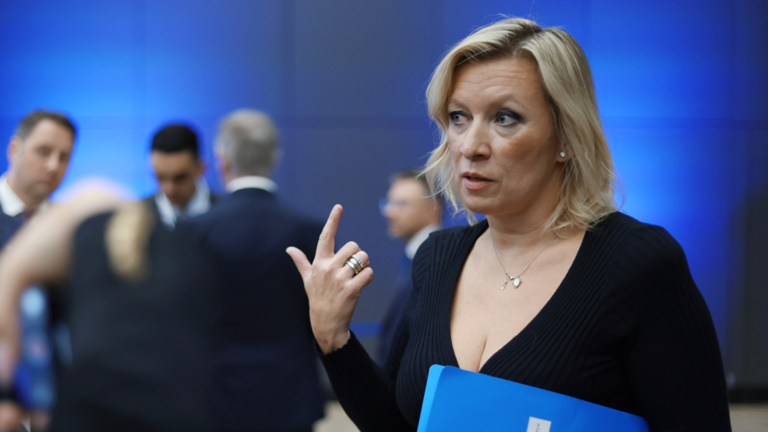
Russia’s response to a failed Ukrainian drone attack on President Vladimir Putin’s state residence will not be diplomatic, Foreign Ministry spokeswoman Maria Zakharova warned on Monday.
Earlier in the day, Foreign Minister Sergey Lavrov stated that on the night of December 28-29, “the Kiev regime launched a terrorist attack using 91 long-range strike unmanned aerial vehicles on the state residence of the president of the Russian Federation in Novgorod Region.”
He noted that all 91 UAVs were intercepted, with no casualties or material damage reported.
Lavrov noted that while Moscow remains committed to the US-mediated peace process, “Russia’s negotiating position will be revised” in light of Ukraine’s “reckless actions.”
“Targets for retaliatory strikes and the time for their implementation by the Russian Armed Forces have been determined,” the minister warned.
“The answers will not be diplomatic. Let them not get their hopes up,” Zakharova told Russian media late Monday, calling the attempted attack unprecedented. “The unprecedented nature of this attack lies in the fact that it was carried out during the negotiations in the United States… At the very moment, when plans are being discussed, this, excuse me, bloody, rabid, terrorist scum, is undermining peace efforts.”
Kremlin foreign policy aide Yury Ushakov told Russian media that during a phone conversation with Putin on Monday, US President Donald Trump said he was “shocked by this news and expressed outrage, stating that he could not have imagined such crazy actions on the part of Kiev.”
Ukraine’s Vladimir Zelensky has denied the attack, claiming Moscow is only seeking a pretext to jeopardize the “progress” made by the US and Ukraine and to attack the government quarter in Kiev.
Lavrov responds to failed Ukrainian attack on Putin’s residence - Video
In a statement on Monday, the diplomat said that on the night of December 28-29, “the Kiev regime launched a terrorist attack, using 91 long-range strike unmanned aerial vehicles on the state residence of the president of the Russian Federation in Novgorod Region.” According to Lavrov, all 91 UAVs were intercepted, with no reports of casualties or material damage on the ground.
Lavrov emphasized that the failed attack on the president’s residence came at a time when Russian and US representatives were engaged in “intensive negotiations.”
The minister noted that while Moscow will not withdraw from the US-mediated talks aimed at settling the Ukraine conflict, “Russia’s negotiating position will be revised” in light of Ukraine’s “reckless actions.”
“Targets for retaliatory strikes and the time for their implementation by the Russian Armed Forces have been determined,” Lavrov concluded.
Russia's claim Ukraine attacked Putin's home 'doesn't make any sense', experts say
A Ukrainian drone strike on Russian President Vladimir Putin's home would be "technically" possible but strategically "stupid", experts have told the ABC.
Moscow alleged on Monday, local time, that Kyiv launched an attack on Mr Putin's state residence in Russia's Novgorod region.
Russia on Monday promised to retaliate against Ukraine after it said nearly 100 drones had targeted one of President Vladimir Putin's residences, likely throwing a wrench into President Donald Trump’s efforts to end the nearly four-year war.
"Such reckless actions will not go unanswered. The targets for retaliatory strikes and the timing of their implementation by the Russian armed forces have been determined," Russian Foreign Minister Sergei Lavrov said without offering details of the alleged attacks in the region of Novgorod.
Soon after, Ukrainian President Volodymyr Zelenskyy called the claims a lie aimed at jeopardizing negotiations. Russia would most likely use the alleged attack to launch strikes at government buildings in Kyiv, the capital, he added.
Trump later told reporters that he "just heard" about the attack alleged by Russia.
“That would be too bad. That would not be good,” he said ahead of his meeting with Israeli Prime Minister Benjamin Netanyahu.
Trump then said that Putin had informed him of the alleged attack during a phone call this morning.
“It’s one thing to be offensive,” he said. “It’s another thing to attack his house. It’s not the right time to do any of that.”
On Sunday, Trump was unusually optimistic about the peace process as he stood next to Zelenskyy at his Mar-a-Lago property in Florida. The Kremlin on Monday agreed with Trump’s assessment that talks to end its war were in the final stage even as it stuck to its hard-line territorial demands.
After nearly three hours behind closed doors Sunday, Trump and Zelenskyy emerged to say they were “very close” to a deal and “90%” of the way there. But it’s those remaining “one or two very thorny issues” that will decide whether an agreement can be found between Kyiv and Moscow, Trump said.
Answering questions from reporters in a WhatsApp chat Monday, Zelenskyy outlined one key area where there does seem to have been progress.
The Ukrainian leader said Trump was now offering Kyiv legally binding security guarantees that would last for 15 years, though he had asked for them to remain in place for up to half a century.
“I told him that we have been at war for almost 15 years, and therefore we would very much like the guarantees to be longer,” Zelenskyy said, referring to Russia’s annexation of the Crimean Peninsula in 2014 and backing of pro-Russian separatists in Ukraine’s east before a full-scale invasion in 2022.
He said Trump indicated he would consider longer guarantees, adding that they include how a peace deal would be monitored as well as the “presence” of partners.
But while Ukraine appeared positive about this offer to guarantee its security against future Russian aggression, few details were made public and it was unclear how Russia would view the proposal.
Zelenskyy also made clear that the fate of key territory remains unresolved.
Control over the eastern Donbas region and the Zaporizhzhia Nuclear Power Plant remain crucial sticking points in Trump's 20-point peace plan, a version of the original U.S. proposal that has been modified through weeks of intense diplomacy.
Ukraine still controls a chunk of Donbas and has vowed it won't give up that land, but Russia wants the whole region — a major demand that Putin has shown no desire to compromise on. The Zaporizhzhia Nuclear Power Plant, Europe’s largest, is occupied by Russia but each side wants control of it in a deal.
American negotiators have previously floated the concept of establishing a “free economic zone” in Donbas, but Zelenskyy said Monday there is “no detailed concept” of how that would work yet, and that Ukrainian society would need to be consulted on any such agreement.
In fact, he said the whole 20-point peace plan should be put to a referendum in Ukraine, which he said would require a ceasefire of at least 60 days.
Moscow has ruled out agreeing to any temporary ceasefires, insisting that it was only interested in a permanent peace agreement — a position that Trump said Sunday he understood.
Before Trump met with Zelenskyy, he spoke on the phone with Putin for over two hours.
Trump said he believed the Russian president was serious about peace, but Zelenskyy was skeptical. “It is important that the actions and words of the Russian leader coincide,” he said Monday.
For its part the Kremlin agreed with Trump’s assessment that peace in Ukraine was closer.
But spokesman Dmitry Peskov doubled down on Moscow’s requirement that Ukraine withdraw fully from Donbas. Putin later received battlefield updates from his generals at a televised meeting and boasted his forces were in position to “liberate” the entire Donbas.